Smart devices are rapidly reshaping modern life, and smart devices now define how households, workplaces, and individuals interact with technology on a daily basis.
This article analyzes the categories of smart devices gaining mainstream adoption, focusing on functional value rather than speculative innovation narratives.
The discussion evaluates why certain devices succeed commercially while others remain niche, emphasizing usability, affordability, and integration into existing ecosystems.
Rather than listing products, the analysis examines usage patterns and behavioral shifts driving sustained consumer interest across different markets.
Attention is given to reliability, security, and long-term relevance, which increasingly determine trust in connected hardware.
The scope includes consumer-oriented devices used at home, on the body, and in everyday environments, highlighting practical adoption dynamics.
Smart Home Devices Redefining Domestic Spaces
Smart home devices continue expanding as consumers prioritize convenience, energy efficiency, and centralized control within domestic environments.
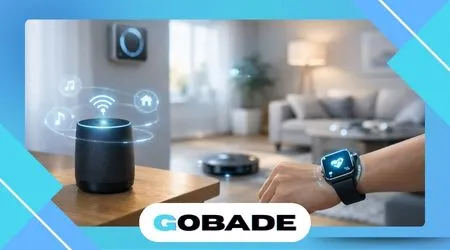
Voice-controlled speakers, intelligent lighting systems, and connected thermostats exemplify how automation reduces friction in routine household tasks.
These devices integrate seamlessly with mobile apps, enabling remote monitoring and adjustment regardless of physical location.
Adoption accelerates when installation remains simple and interoperability across brands minimizes technical barriers.
Consumers increasingly expect smart home systems to learn behavioral patterns rather than rely on manual programming.
Despite growing popularity, reliability during network disruptions remains a decisive factor influencing long-term satisfaction.
Manufacturers focusing on stability and offline functionality gain competitive advantage in increasingly crowded markets.
++Technology Trends That Will Shape Daily Life in 2026
Wearable Technology Moving Beyond Fitness Tracking
Wearable smart devices have evolved beyond step counting, now supporting health monitoring, productivity, and contextual notifications throughout daily routines.
Smartwatches track heart rhythms, sleep cycles, and activity levels, transforming passive data collection into actionable personal insights.
Healthcare researchers highlighted by the World Health Organization emphasize wearables’ potential for early detection and preventive monitoring.
Adoption increases among older demographics as interfaces become simpler and health-focused features gain medical credibility.
Integration with smartphones allows wearables to function as lightweight command centers for communication and alerts.
Battery efficiency and comfort remain critical adoption factors, especially for continuous-use health monitoring devices.
As capabilities expand, wearables increasingly complement rather than replace traditional medical and fitness tools.
++How Technology Is Improving Digital Security
Smart Entertainment Devices Changing Media Consumption
Entertainment-focused smart devices reshape how audiences access content, shifting control from broadcasters to users.
Streaming boxes, smart televisions, and connected audio systems centralize entertainment across platforms and formats.
These devices adapt recommendations based on viewing behavior, reducing discovery time while increasing engagement.
A comparative overview of common entertainment devices highlights adoption differences across use cases.
| Device Type | Primary Function | Adoption Driver |
|---|---|---|
| Smart TVs | Integrated streaming | Convenience |
| Streaming boxes | Platform flexibility | Content access |
| Smart speakers | Voice-driven audio | Ease of use |
| Soundbars | Enhanced audio | Home cinema |
According to research shared by MIT, recommendation algorithms significantly influence long-term viewing habits.
Consumer loyalty increases when interfaces remain responsive, intuitive, and free from excessive advertising intrusion.
Connected Productivity Devices in Work and Study
Smart devices designed for productivity gain traction as hybrid work and digital learning environments stabilize globally.
Tablets with stylus support, smart displays, and collaborative hardware enhance workflow flexibility across professional settings.
These devices bridge gaps between laptops and smartphones, offering portability without sacrificing functionality.
Cloud synchronization allows seamless transitions between devices, supporting continuity across workspaces.
Educational institutions increasingly adopt smart classroom tools to support interactive and remote learning models.
Studies published by Harvard University highlight improved engagement when smart tools support adaptive learning strategies.
Sustained adoption depends on software support longevity and compatibility with enterprise security standards.
Smart Health and Wellness Devices at Home

Home-based smart health devices expand access to wellness monitoring without frequent clinical visits.
Connected blood pressure monitors, glucose sensors, and smart scales deliver real-time health metrics directly to mobile dashboards.
These tools empower users to observe trends rather than isolated measurements, supporting informed lifestyle adjustments.
Data visualization simplifies complex health information, improving comprehension across non-technical users.
Trust increases when devices comply with regulatory standards and communicate limitations transparently.
Privacy safeguards remain essential, as health data sensitivity elevates expectations for encryption and user control.
Successful products balance medical-grade accuracy with consumer-friendly design and affordability.
++Trends in Mobile Technology You Should Watch
Security and Infrastructure Smart Devices
Smart security devices gain popularity as personal safety and property monitoring become higher priorities.
Connected cameras, motion sensors, and smart locks provide continuous oversight with instant alerts.
These systems integrate with mobile platforms, enabling remote access and real-time response capabilities.
Adoption accelerates in urban environments where shared spaces and deliveries increase security complexity.
Reliability during power or network outages significantly influences purchasing decisions.
Manufacturers emphasizing redundancy and local data storage build stronger trust relationships.
Smart infrastructure devices increasingly form the backbone of connected residential and commercial ecosystems.
Conclusion
Smart devices have transitioned from novelty items to essential tools embedded in daily routines.
Their popularity reflects practical value rather than fascination with emerging technology alone.
Consumers adopt devices that simplify tasks, reduce friction, and integrate seamlessly into existing habits.
Usability, reliability, and transparency now outweigh experimental features in purchasing decisions.
As ecosystems mature, interoperability becomes a central expectation rather than a competitive differentiator.
Security and privacy considerations increasingly shape trust and long-term adoption trajectories.
Manufacturers that prioritize user experience over rapid feature expansion maintain stronger market positions.
The future of smart devices depends on responsible design aligned with real human needs.
The growing popularity of smart devices also reflects a cultural shift toward proactive technology adoption rather than reactive problem solving.
Consumers increasingly evaluate devices based on how seamlessly they anticipate needs, reduce decision fatigue, and integrate into broader digital ecosystems without constant supervision.
This behavior signals a maturation of the market, where expectations focus on stability, longevity, and meaningful updates instead of novelty.
As smart devices become embedded in routines, their success depends on long-term trust, consistent performance, and alignment with evolving social and regulatory standards.
This dynamic positions smart devices not merely as tools, but as infrastructure shaping modern digital lifestyles.
FAQ
1. What defines a device as a smart device in everyday use?
A smart device connects to networks, processes data, and adapts functionality based on user behavior or environmental inputs.
2. Are smart devices suitable for non-technical users?
Most popular smart devices emphasize intuitive interfaces, making them accessible without advanced technical knowledge.
3. Do smart devices require constant internet connectivity?
Many devices rely on connectivity for full functionality, but offline capabilities increasingly support core features.
4. How do smart devices impact data privacy?
They collect usage data, requiring strong encryption, transparent policies, and user control to mitigate risks.
5. Will smart devices replace traditional hardware entirely?
Smart devices complement traditional tools, enhancing functionality rather than fully replacing established hardware categories.