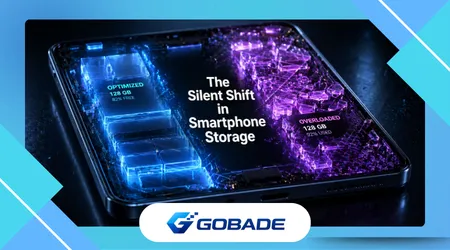
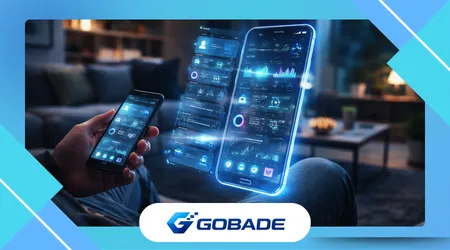
Modern users rarely notice how many invisible systems are already interacting with their devices, yet Digital twins technology is quietly becoming part of that ecosystem. Phones behave unpredictably, apps drain battery without clear reasons, and cloud services sometimes feel out of sync with real usage patterns.
This problem affects millions because devices today rely on fragmented data rather than unified, real-time representations of user behavior. When something breaks or slows down, most people cannot pinpoint the cause, leading to frustration and repeated trial-and-error fixes.
In everyday scenarios, users constantly adjust settings, uninstall apps, or clear storage without truly understanding what is happening behind the scenes. The lack of visibility into how systems behave creates inefficiency, especially as devices become more complex and interconnected.
This article explores how digital twins are starting to solve that gap by creating real-time models of devices and user environments. Instead of reacting to problems, users can anticipate issues and optimize performance through smarter, data-driven tools.
When Your Device Feels “Off” but You Can’t Explain Why
There is a familiar moment when your phone starts behaving differently, even though nothing obvious has changed. Apps open slower, battery drains faster, or notifications become inconsistent, and yet every basic check shows everything is “normal.”
Many users assume the issue comes from a recent app or update, but in practice, the cause is often a combination of small behavioral shifts. Background processes accumulate, usage patterns evolve, and system resources get distributed differently over time without clear visibility.
A simple self-check reveals this pattern quickly. Think about how often you install apps, change permissions, or connect to new networks without tracking the long-term impact of those actions on performance and stability.
One common mistake is focusing only on storage or RAM usage while ignoring behavioral data. For example, two devices with identical specs can perform very differently depending on how they are used, something most users rarely consider.
Another overlooked factor is synchronization between cloud services and local device activity. When these systems fall slightly out of alignment, delays and inefficiencies begin to appear in subtle ways before becoming noticeable problems.
This is where the concept of a digital twin becomes relevant. Instead of guessing what is happening, a digital twin creates a live model of your device’s behavior, allowing systems to predict and adjust before issues escalate.
Without this kind of modeling, users remain reactive. They fix symptoms instead of addressing underlying patterns, which is why the same problems often return even after apparent solutions.
Understanding How Digital Twins Work in Consumer Tech
At its core, a digital twin is a dynamic virtual representation of a physical system, constantly updated with real-time data. In consumer technology, this means creating a model of your device, app behavior, and usage patterns that evolves as you interact with it.
Unlike traditional analytics, which rely on static reports, digital twins operate continuously. They track interactions, detect anomalies, and simulate potential outcomes before changes are applied to the actual device.
This approach has already been validated in industrial contexts, and MIT Sloan’s analysis of the industrial metaverse explains how digital twins improve problem-solving, simulation, and system optimization in real-world environments, which is why the same logic is increasingly relevant for consumer technology. Platforms that learn from live data and simulate outcomes before changes are applied are no longer limited to factories or enterprise systems, as shown in MIT Sloan’s article on digital twins and the industrial metaverse
In smartphones, this can translate into predictive battery management, adaptive performance tuning, and smarter app prioritization. Instead of reacting to overload, the system anticipates it based on behavioral patterns.
One subtle but important insight is that digital twins do not optimize based on general rules. They optimize based on your specific behavior, which is why results can vary significantly between users with identical devices.
This personalized modeling creates a shift from generic optimization to individualized performance management. It is not about making devices faster in general, but about making them more efficient for the way each person actually uses them.
Over time, the system becomes more accurate because it learns from repeated patterns. This is why early results may feel subtle, but improvements become more noticeable as the model refines itself.
Practical Tools Bringing Digital Twins Into Everyday Use
Several platforms are already incorporating elements of digital twin behavior, even if they do not explicitly use that terminology. These tools analyze user behavior, simulate outcomes, and adjust performance dynamically.
Google’s ecosystem, for example, uses predictive models to manage battery and app usage. Apple applies similar concepts through adaptive performance features that learn from user habits over time.
Samsung integrates device care systems that simulate resource usage and recommend optimizations based on observed patterns. These systems often feel like simple suggestions, but they are driven by complex behavioral modeling.
Below is a comparison of how these tools function in practice:
| Tool / App | Main Feature | Best Use Case | Platform Compatibility | Free or Paid |
|---|---|---|---|---|
| Google Adaptive Battery | Predictive app usage control | Battery optimization | Android | Free |
| Apple Optimized Battery Charging | Usage-based charging patterns | Battery longevity | iOS | Free |
| Samsung Device Care | Real-time system simulation | Performance tuning | Android (Samsung) | Free |
| Microsoft Azure Digital Twins | Full environment modeling | Smart home ecosystems | Cross-platform | Paid |
These tools differ in scope. Consumer-focused options prioritize simplicity and automation, while platforms like Microsoft’s solution offer deeper control for connected environments.
In real usage, simpler tools work best for everyday users because they require minimal input. More advanced platforms provide flexibility but demand a higher level of understanding and configuration.
One limitation observed in practice is that some tools prioritize battery over performance too aggressively. Users sometimes notice slower app launches because the system is optimizing for long-term efficiency instead of immediate speed.
Choosing the right tool depends on whether your priority is convenience, control, or deep customization. Most users benefit from built-in systems rather than third-party solutions, especially when starting out.
See Also:
How Artificial Intelligence Is Changing Everyday Apps
Smart Devices That Are Becoming More Popular
What Actually Changes in Real Usage
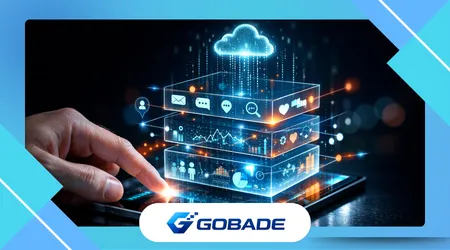
When digital twin-based systems are active, the difference is rarely dramatic at first. Instead of instant improvements, changes appear gradually as the system adapts to your behavior.
For example, a device may begin closing certain background apps earlier than usual because it has learned they are rarely used. This frees up memory without requiring manual intervention.
In a typical scenario, a user who frequently streams videos at night will see battery optimization shift toward preserving power during those hours. The system anticipates demand rather than reacting after the battery starts draining.
Before adopting these systems, users often rely on manual cleaning apps or repeated resets. Afterward, the need for constant intervention decreases because optimization happens automatically in the background.
A notable pattern observed over time is reduced variability in performance. Devices feel more consistent, even if peak performance does not significantly increase, which improves overall user experience.
Another practical improvement is in notification timing and app responsiveness. Systems prioritize what matters most based on learned behavior, reducing delays in critical interactions.
These changes are subtle but cumulative, which is why many users only notice the benefit after using the system for several weeks rather than immediately.
Comparing Approaches: Built-In Systems vs Advanced Platforms
Built-in digital twin systems focus on automation and simplicity. They require no setup and adapt silently, making them ideal for users who prefer a hands-off experience.
Advanced platforms, on the other hand, offer detailed control and integration with broader ecosystems. These are more suitable for users managing smart homes or multiple connected devices.
The key difference lies in visibility and control. Built-in systems operate in the background, while advanced tools allow users to actively monitor and adjust the digital model.
In real-world usage, most people benefit more from simplicity. Complex systems can become overwhelming, and users often end up ignoring advanced features after initial experimentation.
However, advanced platforms excel in environments where multiple devices interact. They can simulate entire ecosystems, which is something basic tools cannot achieve.
A practical rule is to match the tool to your environment. Single-device users should prioritize automation, while multi-device setups benefit from deeper modeling capabilities.
This distinction helps avoid unnecessary complexity while still leveraging the benefits of digital twin technology.
The Reality Behind the Hype
Despite the growing interest, digital twins are not a magic solution for every problem. They improve efficiency and predict behavior, but they cannot eliminate hardware limitations or poorly designed apps.
One common misconception is that these systems will dramatically boost performance. In reality, they optimize resource allocation rather than increasing raw power.
Another limitation is data dependency. The system needs time and consistent usage patterns to become effective, which means results are not immediate.
In some cases, optimization decisions may feel counterintuitive. For example, the system might delay certain processes to preserve battery life, which can be perceived as reduced performance.
There is also the challenge of transparency. Many users do not fully understand how these systems make decisions, which can lead to mistrust or confusion.
Understanding these limitations helps set realistic expectations and prevents frustration when results do not match exaggerated claims.
Privacy, Data, and Trust Considerations
Digital twins rely heavily on data collection, which raises valid concerns about privacy and security. These systems analyze behavior continuously, often across multiple apps and services.
According to guidance from the National Institute of Standards and Technology (NIST cybersecurity framework), responsible data handling and transparency are critical when dealing with systems that rely on behavioral modeling, especially those that operate in real time.
One risk is over-permission. Users often grant broad access without understanding how data is used, which can expose sensitive information unnecessarily.
Another concern is data synchronization across platforms. When multiple services interact, the potential attack surface increases, making proper security practices essential.
To stay protected, users should regularly review permissions, limit unnecessary data sharing, and rely on trusted platforms with clear privacy policies.
A practical habit is to periodically audit app access and remove permissions that are no longer needed. This reduces exposure without affecting core functionality.
Trust in these systems comes from transparency and control. Users should favor tools that clearly explain how data is used and provide options to manage or disable certain features.
Conclusion
Digital twins technology is gradually transforming how everyday devices operate by shifting from reactive fixes to predictive optimization. Instead of constantly adjusting settings, users benefit from systems that learn and adapt over time.
The real value lies in consistency rather than dramatic performance boosts. Devices become more stable, predictable, and aligned with individual usage patterns, which improves the overall experience in subtle but meaningful ways.
Choosing the right approach depends on your environment and expectations. Built-in systems work well for most users, while advanced platforms offer deeper control for more complex setups.
At the same time, understanding limitations and privacy implications is essential. These systems are powerful, but they require responsible use and realistic expectations to deliver their full benefits.
Adopting digital twin-based tools is less about chasing speed and more about achieving smarter, more efficient device behavior tailored to how you actually use technology.
FAQ
1. What is digital twins technology in simple terms?
It is a virtual model of your device or system that updates in real time based on how you use it, helping predict and optimize performance.
2. Does it make my phone faster instantly?
No, improvements are gradual and based on usage patterns rather than immediate performance boosts.
3. Are digital twins already in smartphones?
Yes, many built-in features like adaptive battery and performance optimization use similar concepts.
4. Is my data safe when using these systems?
It depends on the platform, but using trusted services and managing permissions reduces risks significantly.
5. Should I use advanced digital twin platforms?
Only if you manage multiple devices or need deeper control; otherwise, built-in tools are usually sufficient.