
Free smartphone apps play a decisive role in extending device lifespan as users demand more performance, stability, and efficiency from hardware that increasingly remains in service for several years.
Instead of constant upgrades, many consumers now rely on carefully selected applications that reduce system strain, manage resources intelligently, and prevent long-term degradation caused by poor digital habits.
This article explores how free tools contribute to smartphone longevity, separating evidence-based solutions from superficial utilities that promise more than they deliver.
By examining real usage patterns, technical principles, and independent evaluations, the discussion highlights how software choices directly influence hardware wear and daily usability.
The focus remains on sustainability, efficiency, and informed decision-making rather than quick fixes that risk compromising performance or data integrity.
The following sections analyze mechanisms, categories, and responsible practices that allow smartphones to remain reliable well beyond their expected lifecycle.
Why Smartphones Wear Out Faster Than Expected
Smartphones deteriorate faster primarily due to sustained resource overload, inefficient power usage, and unmanaged background activity that gradually stresses internal components.
Battery health declines when apps continuously demand processing power, triggering heat buildup that accelerates chemical degradation within lithium-based cells.
Software bloat also contributes significantly, as unnecessary services consume memory and storage, forcing hardware to operate under constant load during routine tasks.
Frequent write cycles caused by redundant caching and logging can impact storage longevity, particularly on devices using lower-end flash memory technologies.
User behavior, including excessive multitasking and poor update management, often exacerbates these issues without users recognizing long-term consequences.
Understanding these factors clarifies why preventive software solutions matter more than reactive fixes applied after performance noticeably declines.
++Simple Apps That Help You Save Time Every Day
How Free Apps Support Device Longevity
Free applications designed for longevity focus on monitoring, prevention, and optimization rather than aggressive intervention that disrupts system balance.
Many tools provide visibility into battery health, background consumption, and storage trends, enabling users to adjust habits before damage accumulates.
Others automate safe cleanup routines that remove obsolete data while preserving essential system files and frequently accessed caches.
Resource management apps often integrate adaptive controls, allowing devices to reduce load during idle periods without sacrificing responsiveness during active use.
Guidelines from the Android Developers platform emphasize such adaptive behavior as central to sustainable performance design.
These approaches collectively reduce wear by aligning software demand with realistic hardware capabilities.
++Best Apps to Speed Up Your Phone in 2026
Categories of Apps That Extend Smartphone Life
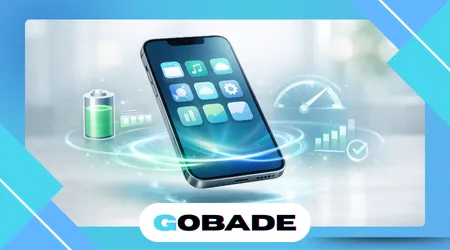
Longevity-focused apps generally fall into categories including battery health monitors, storage management tools, system usage analyzers, and update optimization utilities.
Battery-focused apps help users identify charging patterns that accelerate degradation, encouraging practices that preserve long-term capacity.
Storage management tools reduce unnecessary read-write cycles by eliminating duplicate files and outdated downloads that silently consume system resources.
Usage analyzers reveal hidden background activity, empowering users to limit apps that drain power or memory without providing meaningful value.
Studies referenced by the International Energy Agency highlight software efficiency as a key factor in reducing electronic waste through extended device lifespans.
Selecting the right category depends on identifying which resource represents the primary bottleneck for a specific device.
Real-World Impact on Performance and Durability
The practical impact of free smartphone apps becomes evident over extended usage periods rather than immediate performance spikes.
Users who consistently monitor battery health report slower capacity decline compared to those who rely solely on default system indicators.
Devices maintained with periodic storage optimization often exhibit fewer system crashes and reduced app loading delays over time.
Independent reviewers frequently observe that longevity-focused apps deliver cumulative benefits that compound across months rather than days.
Research published by the Consumer Reports organization supports the correlation between proactive software maintenance and prolonged device usability.
These findings reinforce that sustainable gains emerge from disciplined usage rather than one-time interventions.
++Best Free Tools to Organize Your Digital Life
Measuring Effectiveness Across Device Types
The effectiveness of free apps varies depending on hardware quality, operating system optimization, and initial device condition at installation.
Older mid-range devices tend to benefit most, as efficient apps compensate for limited memory and aging batteries through smarter resource allocation.
Flagship devices experience subtler gains, primarily in battery preservation and thermal management rather than noticeable speed improvements.
Entry-level smartphones often show the most dramatic stabilization effects, reducing freezes and unexpected shutdowns caused by resource exhaustion.
The table below summarizes typical longevity-related outcomes observed across common smartphone tiers after six months of consistent app usage.
| Device Category | Battery Health Preservation | Stability Improvement | Storage Efficiency |
|---|---|---|---|
| Entry-Level | High | Significant | High |
| Mid-Range | Moderate | Noticeable | Moderate |
| Flagship | Low to moderate | Slight | Low |
These patterns underscore the importance of aligning expectations with device capabilities.
Best Practices for Long-Term Smartphone Care
Longevity apps deliver optimal results when paired with informed user behavior and realistic maintenance schedules.
Experts recommend reviewing app permissions regularly to prevent unnecessary background access that increases power consumption.
Avoiding constant optimization cycles allows operating systems to maintain predictive performance models that adapt to individual usage patterns.
Keeping core system apps updated ensures compatibility with optimization tools and prevents conflicts that degrade stability.
Digital maintenance education increasingly accompanies app adoption, reinforcing habits that extend device lifespan beyond manufacturer projections.
When used responsibly, free apps become part of a broader strategy rather than isolated solutions.
Conclusion
Free smartphone apps offer meaningful tools for extending device lifespan when users prioritize prevention over reactive performance fixes.
Longevity depends on reducing cumulative stress through smarter power usage, controlled background activity, and disciplined storage management.
Evidence from independent evaluations confirms that consistent maintenance yields gradual but lasting benefits across diverse hardware categories.
Rather than replacing devices prematurely, users can achieve stability and reliability through informed software choices.
Sustainable smartphone use aligns with broader environmental goals by reducing electronic waste and resource consumption.
As mobile ecosystems mature, free apps increasingly emphasize transparency, efficiency, and user education.
Long-term success depends less on automation and more on understanding how software behavior influences physical wear.
Ultimately, extending smartphone life reflects a shift toward responsible digital ownership rather than constant technological replacement.
FAQ
1. Can free apps really extend smartphone lifespan?
Yes, when used responsibly, they reduce resource strain and slow battery and storage degradation.
2. Are paid apps always better for longevity?
Not necessarily, as many free apps follow best practices comparable to premium solutions.
3. How soon do results become noticeable?
Longevity benefits usually appear gradually over weeks or months rather than immediately.
4. Do these apps replace good charging habits?
No, proper charging behavior remains essential alongside software-based monitoring tools.
5. Can too many maintenance apps cause problems?
Yes, overlapping apps can conflict and increase background load, reducing overall effectiveness.