
Streaming content organization has become essential as users juggle multiple platforms filled with endless movies, series, and recommendations. What once felt like entertainment freedom now often turns into decision fatigue, making it harder to choose what to watch and enjoy.
Many users experience this overload daily, scrolling through apps like Netflix, Prime Video, and Disney+ without making a decision. The abundance of content, combined with algorithm-driven suggestions, can overwhelm even experienced viewers who simply want a quick and satisfying choice.
This problem affects both casual viewers and heavy streamers, especially those using smart TVs, smartphones, and tablets interchangeably. With each platform offering its own interface and recommendations, the lack of central organization creates fragmentation and wasted time.
Streaming services are designed to keep users engaged for as long as possible, which often results in endless browsing instead of actual watching. This behavior leads to frustration, reduced satisfaction, and even subscription fatigue when users feel they are not getting value.
The issue is not the lack of content but rather the lack of structure in how it is consumed. Without a clear system, users rely on impulse decisions, which rarely lead to consistent or enjoyable viewing experiences.
This article explores practical strategies, tools, and techniques that help organize streaming platforms efficiently. By applying these methods, users can reduce overload, save time, and transform their digital entertainment into a more intentional and enjoyable experience.
Understanding Why Streaming Overload Happens
Streaming overload is primarily driven by the exponential growth of available content across multiple platforms. Each service competes for attention, offering thousands of titles that make decision-making increasingly complex for users who simply want to relax and watch something engaging.
Recommendation algorithms also contribute significantly to this issue by constantly suggesting new content based on partial viewing history. While personalization seems helpful, it often leads to repetitive or irrelevant suggestions that clutter the user interface and reduce clarity.
Another factor is the fragmentation of content libraries across different services, requiring users to switch between apps frequently. This constant context switching interrupts the viewing flow and makes it harder to maintain a consistent watchlist or viewing habit.
The psychological effect known as decision fatigue plays a major role in streaming overload. When users are faced with too many options, their ability to choose diminishes, often resulting in abandoning the platform without watching anything meaningful.
Many users also make the mistake of subscribing to too many services simultaneously without evaluating actual usage. This leads to overlapping content, unnecessary costs, and increased cognitive load when browsing across multiple libraries.
Interface design differences between platforms further complicate navigation and organization. Each app uses unique layouts, categories, and recommendation styles, which forces users to constantly adapt and relearn how to find content efficiently.
Another overlooked issue is the lack of a centralized tracking system for watched and planned content. Without a unified method to track progress, users often forget what they were watching or restart shows unnecessarily.
Ultimately, streaming overload is not just a content problem but a system management issue. Understanding these root causes is the first step toward implementing a structured approach that simplifies the entire streaming experience.
Creating a Personal Streaming System That Works
Building a personal streaming system begins with defining clear viewing priorities based on your habits and preferences. Instead of browsing endlessly, users should categorize content into groups such as “watch next,” “casual viewing,” and “family content” to streamline decision-making.
A practical approach is to limit the number of active subscriptions at any given time. Rotating services monthly allows users to focus on specific libraries without feeling overwhelmed by simultaneous options, while also reducing unnecessary subscription costs.
Using external tracking tools can significantly improve organization and reduce friction. Platforms like Trakt and JustWatch help users track watched content, discover where titles are available, and maintain structured watchlists across multiple streaming services.
For example, services like JustWatch allow users to search for movies and instantly identify which platform hosts them. This eliminates the need to manually check each app and saves valuable time during the selection process.
Another effective strategy is to schedule viewing sessions instead of relying on spontaneous browsing. Allocating specific times for watching content transforms streaming into a more intentional activity and reduces the tendency to scroll aimlessly.
Users should also leverage built-in features such as “My List” or “Continue Watching” sections, but with discipline. Adding too many titles to these lists defeats their purpose, so maintaining a curated and limited selection is essential for efficiency.
Creating thematic playlists, such as “weekend movies” or “short episodes,” can further enhance organization. This method allows users to quickly match content with available time, avoiding the frustration of starting something they cannot finish.
By combining external tools, subscription control, and intentional viewing habits, users can build a streamlined system. This approach transforms streaming from a chaotic experience into a structured and enjoyable routine.
See Also
Why Streaming Apps Sometimes Remove Movies Without Warning
Why Streaming Apps Perform Differently on Smart TVs Compared to Mobile Devices
How Closed Captions and Subtitles Change the Streaming Experience
Best Apps and Tools to Manage Streaming Content
Several digital tools have emerged to address the challenge of streaming content organization effectively. These platforms act as centralized hubs, helping users track, discover, and manage content across multiple streaming services without switching between apps constantly.
Below is a comparison of some of the most effective tools available today, highlighting their main features and practical use cases.
| Tool / App | Main Feature | Best Use Case | Platform Compatibility | Free or Paid |
|---|---|---|---|---|
| JustWatch | Content search across platforms | Finding where to stream specific titles | Web, Android, iOS | Free |
| Trakt | Watch history tracking | Managing viewing progress and lists | Web, Android, iOS | Freemium |
| Reelgood | Personalized recommendations | Discovering new content based on habits | Web, Android, iOS | Free |
| TV Time | Episode tracking and alerts | Following series progress and releases | Android, iOS | Free |
JustWatch is ideal for users who frequently switch between services and want quick answers about content availability. Its simplicity makes it particularly useful for casual viewers who prefer efficiency over complex tracking systems.
Trakt offers a more advanced experience, allowing users to log watched content and build detailed watchlists. It is especially beneficial for heavy streamers who want long-term tracking and integration with media players.
Reelgood focuses on personalized recommendations while still maintaining organizational features. It works well for users who enjoy discovering new content but want those suggestions to remain structured and relevant.
TV Time is designed for series tracking, offering notifications for new episodes and progress monitoring. It is particularly useful for users who follow multiple shows simultaneously and want to avoid missing releases.
Understanding the strengths and limitations of each tool allows users to choose the one that aligns with their habits. Combining one or two of these apps can significantly improve organization without adding unnecessary complexity.
Using Smart TV Features and Device Integration
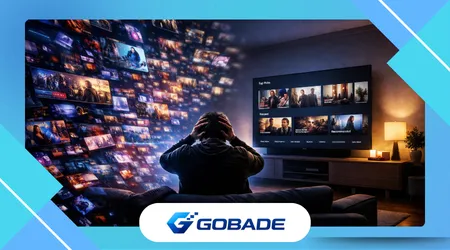
Modern smart TVs and streaming devices offer built-in tools that can enhance streaming content organization when used correctly. Features like universal search and cross-platform recommendations reduce the need to navigate multiple apps manually.
Devices such as Apple TV and Android TV provide centralized interfaces that aggregate content from different services. According to Google Android TV, these systems are designed to simplify navigation and unify the viewing experience across apps.
Voice assistants also play a significant role in reducing overload by allowing users to search content quickly. Instead of typing or browsing, users can request specific titles, genres, or actors, which streamlines the selection process significantly.
Another useful feature is content aggregation on home screens, where recommendations from multiple platforms appear in one place. While convenient, users should customize these feeds to avoid being overwhelmed by irrelevant suggestions.
Integration with mobile devices further enhances organization by enabling remote control, watchlist syncing, and content discovery. This cross-device functionality ensures continuity and reduces friction when switching between screens.
However, relying entirely on device-level recommendations can lead to algorithm dependency. Users should balance automation with manual curation to maintain control over their viewing experience.
Smart TVs also allow profile customization, which is essential for households with multiple users. Separate profiles prevent recommendation overlap and ensure that each user receives relevant suggestions.
When used strategically, these features can significantly reduce navigation complexity. The key is to configure them intentionally rather than relying on default settings that prioritize engagement over efficiency.
Avoiding Common Mistakes That Increase Overload
One of the most common mistakes users make is adding too many titles to their watchlists without prioritization. This creates an overwhelming backlog that discourages engagement and makes it harder to decide what to watch next.
Another frequent issue is subscribing to multiple streaming services without a clear usage strategy. Many users pay for platforms they rarely use, which not only wastes money but also increases cognitive load when choosing content.
Ignoring content expiration dates is another overlooked problem. Many titles rotate out of platforms, and without tracking them, users may miss opportunities to watch desired content before it becomes unavailable.
According to Harvard Business Review, excessive choices can reduce satisfaction and decision quality, reinforcing the importance of limiting options when managing digital content environments.
Users also tend to rely too heavily on algorithmic recommendations, assuming they will always deliver relevant content. In reality, these systems prioritize engagement metrics, which may not align with personal preferences or available time.
Another mistake is failing to match content length with available time. Starting a long series during a short break often leads to incomplete viewing sessions and frustration, reducing overall enjoyment.
Neglecting periodic cleanup of watchlists and subscriptions contributes to long-term clutter. Regularly reviewing and removing unused items keeps the system efficient and aligned with current interests.
Avoiding these mistakes requires intentional habits and periodic reassessment. Small adjustments in behavior can significantly improve the overall streaming experience and reduce unnecessary complexity.
Building a Sustainable Streaming Routine
Creating a sustainable streaming routine involves balancing entertainment with structure and intention. Instead of treating streaming as passive activity, users should approach it with a clear plan that aligns with their schedule and preferences.
One effective method is setting weekly viewing goals, such as finishing a series or watching a specific number of movies. This approach adds direction and reduces random browsing, leading to more satisfying outcomes.
Rotating genres and content types can also prevent fatigue and maintain engagement. Alternating between documentaries, series, and films keeps the experience fresh and avoids monotony.
Time-based categorization is another practical strategy, where users separate content into short, medium, and long formats. This allows for quick decisions based on available time, reducing friction during the selection process.
Involving family members or household users in shared watchlists can improve coordination and reduce conflicts. Collaborative lists ensure that everyone has input while maintaining a structured viewing plan.
Periodic review of subscriptions ensures that users only pay for services they actively use. Canceling or pausing unused platforms helps maintain focus and reduces unnecessary expenses.
Tracking completed content provides a sense of progress and accomplishment, reinforcing positive habits. This psychological benefit encourages continued use of organized systems and reduces the temptation to revert to chaotic browsing.
Ultimately, a sustainable routine transforms streaming into a deliberate and rewarding activity. By combining structure, flexibility, and awareness, users can maintain long-term control over their digital entertainment environment.
Conclusion
Streaming content organization is no longer optional in a landscape dominated by endless choices and competing platforms. Without a clear system, users quickly fall into patterns of indecision, wasted time, and reduced satisfaction, turning entertainment into a frustrating experience.
Understanding the root causes of content overload allows users to approach streaming with a strategic mindset. By recognizing the roles of algorithms, platform fragmentation, and decision fatigue, it becomes easier to implement practical solutions that deliver immediate improvements.
Creating a personal system is one of the most impactful steps users can take. Whether through curated watchlists, subscription rotation, or scheduled viewing sessions, these strategies provide structure and clarity in an otherwise chaotic environment.
Digital tools such as tracking apps and content aggregators further enhance organization by centralizing information. These platforms eliminate unnecessary navigation and provide users with actionable insights about where and what to watch.
Smart TV features and device integration also contribute to a more streamlined experience when configured correctly. Leveraging voice search, unified interfaces, and personalized profiles reduces friction and simplifies content discovery.
Avoiding common mistakes, such as overloading watchlists or relying solely on algorithms, ensures that users maintain control over their viewing habits. Small behavioral changes can significantly reduce overload and improve long-term satisfaction.
Building a sustainable routine reinforces these improvements by aligning streaming habits with real-life schedules. This approach transforms entertainment into a purposeful activity rather than a passive and overwhelming one.
The combination of tools, strategies, and intentional habits creates a balanced streaming ecosystem. Users who apply these methods consistently will experience greater efficiency, reduced stress, and more meaningful engagement with digital content.
Adopting these practices not only improves daily entertainment but also maximizes the value of streaming subscriptions. With a structured approach, users can enjoy content more fully while maintaining control over their time and attention.
FAQ
1. What is streaming content organization?
It is the process of structuring and managing your streaming services, watchlists, and viewing habits to reduce overload and improve efficiency.
2. Why do I feel overwhelmed by streaming platforms?
You are likely experiencing decision fatigue due to too many choices, fragmented apps, and algorithm-driven recommendations.
3. Which app is best for tracking what I watch?
Apps like Trakt and TV Time are excellent for tracking viewing progress and organizing watchlists across platforms.
4. How many streaming services should I subscribe to?
Ideally, limit yourself to one or two active subscriptions at a time and rotate them based on your viewing needs.
5. Do smart TVs help with organization?
Yes, features like universal search and voice assistants can simplify navigation and reduce time spent browsing.
6. How can I stop wasting time scrolling?
Create a curated watchlist and schedule viewing sessions to make decisions faster and more intentional.
7. Are recommendation algorithms reliable?
They can help, but they often prioritize engagement over relevance, so manual curation is still necessary.
8. What is the simplest way to start organizing my streaming?
Begin by reducing subscriptions, creating a short watchlist, and using a tracking app to centralize your content.