
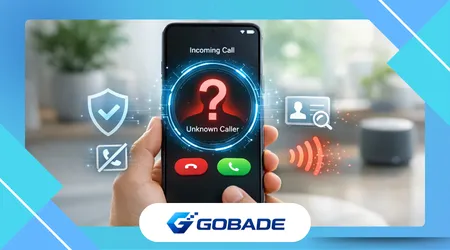
Caller ID and call blocker apps have become essential tools for people trying to protect themselves from spam calls, robocalls, and unknown numbers that interrupt daily routines. These applications combine large databases, artificial intelligence, and community reports to identify suspicious calls instantly.
Modern smartphones receive millions of automated calls every day, many of which attempt scams, marketing pitches, or identity theft schemes. As these threats grow more sophisticated, specialized applications provide a practical defense by filtering calls before they even reach users.
Caller identification technology works by comparing incoming numbers with extensive databases maintained by security companies and telecommunications partners. When a suspicious number appears, the application instantly labels it as spam, telemarketing, or potential fraud.
Many of these tools also rely on crowdsourced intelligence collected from millions of users worldwide who report suspicious numbers. This collaborative model allows apps to detect emerging scam campaigns faster than traditional telecom protections.
Beyond simple identification, modern call blocker apps provide automated filtering that can silence or block unknown callers entirely. This prevents interruptions while maintaining access to legitimate calls from contacts, businesses, and verified services.
This article analyzes how caller ID and call blocker apps work, what technologies power them, and which practical benefits they offer. It also examines privacy considerations, effectiveness, and the growing role of artificial intelligence in preventing unwanted calls.
Why Unknown Calls Have Become a Global Problem
Unknown calls have grown dramatically in recent years as automated dialing systems allow scammers to contact thousands of people every hour. These systems reduce the cost of fraud operations while dramatically increasing their reach.
Robocalls and spam calls often rely on number spoofing, which disguises the true origin of a phone call. This tactic allows scammers to mimic local numbers, making victims more likely to answer unfamiliar calls.
Large-scale fraud campaigns frequently target older adults and individuals unfamiliar with modern digital scams. Attackers exploit trust, urgency, and confusion to convince victims to reveal personal or financial information.
Telecommunications companies attempt to reduce spam through network-level protections and verification systems. However, scammers continuously adapt their techniques, making additional software protections increasingly necessary.
Call filtering applications operate directly on smartphones, allowing them to analyze incoming calls in real time. They compare numbers with global spam databases and provide immediate warnings before the user answers.
Many apps also allow users to create personal block lists for repeated nuisance callers or aggressive telemarketing numbers. These customized settings help users maintain control over who can contact them.
Advanced systems can automatically silence unknown callers while still allowing verified contacts to pass through. This feature ensures that important calls from family members, healthcare providers, or businesses are not missed.
These applications also help reduce psychological stress caused by repeated spam calls and fraudulent attempts. By filtering suspicious numbers automatically, they create a more controlled and predictable communication environment.
As spam call volumes continue to grow globally, call identification software has become an essential component of smartphone security. Many users now consider these apps as important as antivirus or privacy protection tools.
++Tools That Let You Control and Customize App Notifications Easily
How Caller Identification Technology Works
Caller identification applications rely on several technical components working together to determine whether a number is trustworthy. These systems combine cloud databases, pattern recognition algorithms, and real-time analysis of incoming calls.
When a phone receives an incoming call, the app compares the number with millions of previously reported spam numbers stored in remote databases. If a match exists, the call is labeled immediately with a warning message.
Machine learning models also analyze behavioral patterns associated with scam calls, including frequency, call duration, and geographic distribution. These patterns help identify new fraud campaigns even before large numbers of complaints appear.
Crowdsourced reporting remains one of the most powerful mechanisms behind spam detection systems. Millions of users flag suspicious calls daily, creating a constantly updated dataset that strengthens the overall accuracy of detection algorithms.
In many regions, telecom regulators also provide verified number registries that help applications confirm legitimate businesses. For example, regulatory initiatives documented by the Federal Communications Commission aim to reduce illegal robocalls through authentication protocols.
Call identification apps integrate these regulatory frameworks with their own detection systems. This layered approach combines government regulation, telecom verification, and community reporting to improve reliability.
The result is an ecosystem in which suspicious numbers are identified within minutes after a scam campaign begins. Rapid detection significantly reduces the number of successful fraud attempts.
Some applications also display contextual information such as company names, location, or service type associated with the caller. This helps users determine whether a call is legitimate before answering.
As artificial intelligence continues improving pattern recognition capabilities, caller identification systems are becoming faster and more accurate. This technological evolution plays a key role in protecting smartphone users from increasingly sophisticated scams.
++Apps That Help You Scan and Digitize Documents Using Your Phone
Popular Apps That Identify and Block Unknown Calls
Several applications dominate the market for identifying and blocking suspicious phone calls. These apps vary in features, pricing models, and database size, but they share the same core goal of protecting users from unwanted communication.
Some apps focus on large crowdsourced spam databases that grow through community reporting. Others emphasize artificial intelligence analysis and real-time risk scoring to detect new fraud patterns quickly.
Below is a comparison of several widely used caller identification apps and their primary features.
| App | Main Features | Platform |
|---|---|---|
| Truecaller | Global spam database, caller ID, automatic blocking | Android, iOS |
| Hiya | Spam detection, fraud alerts, number reputation scoring | Android, iOS |
| Call Control | Robocall filtering, community reporting, block lists | Android |
| RoboKiller | AI answering bots, spam filtering, analytics | Android, iOS |
| Mr. Number | Personal block lists, scam detection | Android, iOS |
Each of these apps uses different strategies to maintain large databases of suspicious numbers. Some prioritize community reporting while others integrate telecom data and machine learning detection models.
Many of these applications offer both free and premium versions with expanded features. Paid plans may include advanced blocking rules, detailed call analytics, and automated voicemail screening.
Users should also consider privacy policies when selecting a call blocker application. Since these tools analyze call data, responsible data management and transparency become essential trust factors.
Some platforms also offer enterprise partnerships with telecommunications companies to improve detection accuracy. This collaboration allows spam databases to update faster when large scam campaigns emerge.
The effectiveness of these apps often depends on the size of their user community. Larger user bases generate more reports, improving the ability to detect new spam numbers quickly.
Regular database updates are also critical for maintaining protection against evolving scam tactics. Applications that update their spam lists frequently tend to offer more reliable filtering.
Choosing the right call blocker app ultimately depends on individual preferences regarding privacy, automation level, and interface simplicity. However, most modern options provide significant protection compared with relying only on basic smartphone features.
The Role of Artificial Intelligence in Call Blocking
Artificial intelligence has transformed how call blocking systems detect suspicious activity. Instead of relying only on static spam lists, modern apps analyze behavioral patterns that reveal potential fraud operations.
Machine learning models evaluate call frequency, number rotation patterns, and geographic anomalies to detect robocall campaigns. These systems identify suspicious patterns even when scammers change numbers frequently.
AI also helps classify calls based on contextual signals and user feedback collected from millions of devices worldwide. This continuous learning process allows detection systems to improve automatically as more data becomes available.
Some advanced applications even simulate conversations using automated bots to gather intelligence from spam callers. These interactions help developers understand scam strategies and refine detection models.
Cybersecurity organizations frequently publish research on evolving phone fraud tactics and prevention strategies. Studies such as those discussed by the National Institute of Standards and Technology emphasize the importance of automated detection technologies in modern digital security.
AI-powered filtering also improves the accuracy of caller reputation scoring. Numbers that demonstrate suspicious behavior patterns quickly receive risk labels even before large numbers of complaints occur.
Another benefit of machine learning systems is their ability to adapt to regional fraud trends. Scams targeting specific countries or languages can be identified faster through localized analysis.
Some apps combine AI analysis with voice recognition technologies that identify prerecorded robocall messages. Detecting these audio patterns allows the application to terminate calls before users even hear them.
As artificial intelligence continues evolving, call protection systems will likely become more proactive. Instead of reacting to spam reports, they will anticipate fraud patterns before they reach large numbers of victims.
Privacy and Data Considerations When Using Call Blocker Apps
While call identification apps provide significant protection against spam calls, they also raise legitimate privacy considerations. These tools require access to call logs, contact lists, and sometimes network data to function effectively.
Responsible developers implement strict encryption protocols to ensure sensitive user data remains protected. Transparency regarding data usage policies has become a critical factor when evaluating call blocker applications.
Some applications rely heavily on crowdsourced reporting systems that collect anonymous call metadata. This information helps identify suspicious numbers without storing personal conversation content.
Regulatory frameworks in many countries require app developers to disclose how user data is processed and stored. Guidelines published by organizations like the European Commission highlight best practices for protecting consumer data in digital services.
Users should review permission requests carefully before installing call filtering software. Granting only necessary permissions helps reduce potential exposure of personal information.
Reputable applications also allow users to opt out of certain data-sharing features if they prefer stricter privacy controls. These options provide greater flexibility for individuals concerned about digital surveillance.
Another consideration involves how apps manage contact list synchronization. Some services upload contact information to cloud servers to improve caller identification accuracy.
Developers increasingly address these concerns by implementing anonymization techniques that prevent identifiable data from being stored permanently. These methods balance spam detection efficiency with privacy protection.
Understanding these privacy trade-offs allows users to make informed decisions about which applications best align with their security and data protection preferences.
Practical Tips for Maximizing Call Blocking Effectiveness
Installing a call identification app represents only the first step toward reducing unwanted calls. Users can further improve protection by adjusting settings and combining multiple filtering strategies.
Most applications allow users to automatically block calls from numbers not stored in their contact list. This setting significantly reduces interruptions while maintaining access to trusted callers.
Regularly updating the application ensures access to the latest spam databases and detection algorithms. Updates often include improvements that address newly emerging fraud tactics.
Users should also actively report suspicious calls they receive. Community reporting strengthens spam detection systems and helps protect other users from the same scams.
Another useful strategy involves creating custom block lists for persistent telemarketing numbers. These personalized filters provide an additional layer of protection beyond automated detection.
Many apps also offer features that silence calls during specific hours or block calls from certain geographic regions. These options help tailor call filtering to individual preferences and lifestyles.
Combining smartphone operating system protections with third-party call blocking apps can further enhance security. Modern mobile platforms increasingly integrate native spam detection tools alongside specialized applications.
Users should remain cautious when answering calls from unknown numbers even when using call identification software. No system offers perfect protection, and scammers constantly develop new evasion techniques.
Educating family members about phone scams also improves overall protection. Awareness reduces the likelihood that someone will fall victim to fraudulent calls even if one slips through filtering systems.
Ultimately, consistent use of call blocking tools combined with informed behavior provides the most effective defense against unwanted calls and phone scams.
++Apps That Analyze Storage Usage and Show What’s Really Taking Space
Conclusion
Spam calls and robocalls have become a persistent challenge in modern communication networks. Automated dialing systems and number spoofing allow fraud operations to reach millions of potential victims daily.
Caller ID and call blocker apps provide an effective technological response to this growing threat. By combining cloud databases, artificial intelligence, and community reporting, these tools identify suspicious calls before users answer them.
The most effective applications rely on large user communities that constantly report new spam numbers. This collaborative model allows detection systems to react quickly when new fraud campaigns appear.
Artificial intelligence has significantly improved the ability to detect scam patterns. Machine learning models analyze behavior across millions of calls to identify suspicious activity faster than traditional filtering systems.
However, users should remain aware of privacy considerations associated with call filtering applications. Responsible developers address these concerns through encryption, anonymization, and transparent data policies.
Selecting the right app involves balancing features, privacy protections, and usability. Applications with large databases and regular updates generally provide the strongest protection against evolving scam tactics.
Practical habits such as reporting spam numbers and enabling automatic blocking settings can dramatically improve results. These small actions strengthen detection systems and benefit the broader user community.
As phone scams continue evolving, call protection technologies will likely rely even more heavily on artificial intelligence and telecom partnerships. These innovations aim to stop fraud attempts before they ever reach users.
For individuals seeking greater control over incoming calls, caller identification apps represent a practical and accessible security solution. They reduce interruptions, improve safety, and restore confidence in everyday phone communication.
Adopting these tools alongside basic digital awareness creates a strong defense against one of the most common forms of modern digital fraud.
FAQ
1. What are caller ID and call blocker apps?
Caller ID and call blocker apps are smartphone applications designed to identify incoming numbers and filter spam or fraudulent calls automatically using databases and detection algorithms.
2. Do these apps block calls automatically?
Yes, most call blocker apps allow users to enable automatic blocking rules that silence or reject suspicious numbers before the phone rings.
3. Are caller identification apps accurate?
Accuracy depends on the size of the spam database and detection technology used by the application, but popular apps typically identify the majority of known spam numbers.
4. Can scammers bypass call blocker apps?
Some scammers attempt to bypass filters by frequently changing numbers or using spoofing techniques, which is why detection systems must update constantly.
5. Are these apps safe to use?
Reputable apps follow strict privacy policies and encryption standards, but users should always review permissions and privacy statements before installing them.
6. Do call blocker apps cost money?
Many apps offer free versions with basic protection while premium plans provide advanced filtering features and additional security tools.
7. Can call blockers stop robocalls completely?
No solution eliminates robocalls entirely, but call blocker apps significantly reduce the number of unwanted calls reaching users.
8. Do smartphones already include spam call protection?
Most modern smartphones include basic spam detection features, but dedicated call blocker apps typically offer more advanced filtering and reporting capabilities.