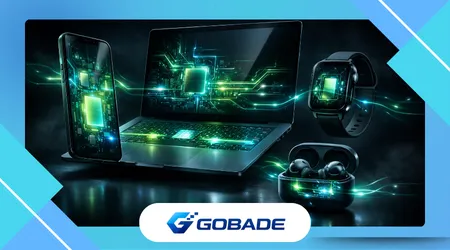

The future of smartphones is entering a decisive phase shaped by rapid technological convergence. This article analyzes how the future of smartphones will evolve across hardware, software, and user experience.
Smartphones no longer function as isolated devices within the digital ecosystem. They operate as central hubs connecting services, data, and intelligent systems.
Manufacturers face increasing pressure to innovate while addressing sustainability, regulation, and consumer fatigue. These constraints are redefining how new devices are conceived and delivered.
This analysis examines upcoming changes in design, performance, connectivity, and artificial intelligence. Each section evaluates practical developments rather than speculative concepts.
The article also considers economic and societal implications influencing smartphone adoption cycles. Market behavior increasingly shapes technical roadmaps.
Together, these perspectives provide a grounded assessment of what users should realistically expect. The scope remains focused on developments already in motion.
Design and Hardware Evolution
Smartphone design continues shifting toward minimalism and functional durability. Manufacturers prioritize thinner profiles without compromising structural integrity.
Flexible materials are becoming commercially viable across midrange and premium devices. Foldable screens now demonstrate measurable improvements in lifespan and reliability.
Camera hardware increasingly dominates internal space allocation. Larger sensors replace megapixel inflation as brands pursue photographic realism.
Battery architecture undergoes gradual but meaningful changes. Silicon-carbon cells promise higher density without radical form factor disruption.
Thermal management receives renewed engineering focus. Vapor chambers and layered cooling solutions address sustained performance demands.
Biometric hardware expands beyond fingerprint and face recognition. Multimodal authentication improves accuracy and security consistency.
Component modularity remains limited despite consumer interest. Repairability improves slowly under regulatory and environmental pressure.
Materials sourcing increasingly affects hardware decisions. Recycled aluminum and rare earth alternatives reduce long-term supply risks.
Physical buttons and ports continue disappearing. Gesture navigation and wireless standards define future interaction expectations.
++How Technology Is Improving Digital Security
Artificial Intelligence as the Core Experience
Artificial intelligence shifts from auxiliary features to operating system foundations. On-device processing reduces latency and improves privacy controls.
Smart assistants evolve into proactive decision engines. Contextual awareness replaces command-based interaction models.
Image processing benefits immediately from neural acceleration. Computational photography now outperforms traditional optical limitations.
Language models integrated locally enable offline translation and summarization. This shift reduces dependence on constant connectivity.
Personalization algorithms refine power management and performance scaling. Devices adapt dynamically to individual usage patterns.
Health monitoring increasingly leverages predictive analytics. Smartphones detect anomalies using sensor fusion and behavioral modeling.
Manufacturers collaborate with research institutions to accelerate AI optimization, including guidance from organizations like the Massachusetts Institute of Technology.
Ethical AI deployment becomes a competitive differentiator. Transparency frameworks influence consumer trust and brand credibility.
AI’s success depends on invisible reliability rather than novelty. Users reward consistency more than experimental features.
Connectivity and Network Transformation
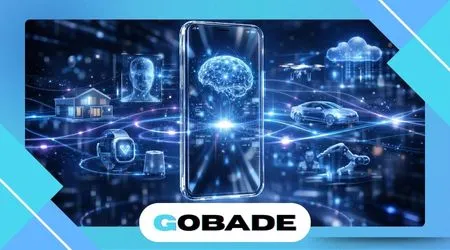
Next-generation connectivity reshapes smartphone capabilities beyond speed improvements. Latency reduction enables real-time cloud interaction.
5G standalone networks unlock advanced device-to-device communication. Edge computing reduces reliance on centralized servers.
Satellite connectivity expands emergency and rural coverage. Hybrid network models improve resilience during infrastructure disruptions.
Wi-Fi standards continue evolving alongside cellular networks. Seamless switching becomes essential for uninterrupted experiences.
Network slicing enables service prioritization across applications. Gaming, healthcare, and enterprise workflows benefit disproportionately.
Regulatory agencies influence spectrum allocation strategies worldwide. Policy decisions directly impact rollout timelines and costs.
Organizations such as the International Telecommunication Union define interoperability standards critical for global adoption.
Energy efficiency becomes a core networking metric. Modems optimize power consumption under variable signal conditions.
Connectivity innovation increasingly targets reliability rather than raw throughput. Stability defines perceived performance.
Software, Security, and Longevity
Software ecosystems increasingly determine smartphone lifespan. Long-term updates influence purchasing decisions more than specifications.
Operating systems adopt modular architectures for faster patch deployment. Security vulnerabilities receive targeted fixes without full upgrades.
Biometric data protection strengthens through hardware isolation. Secure enclaves reduce exposure to software-level attacks.
Encryption standards advance in response to quantum computing research. Future-proofing data becomes a strategic priority.
User permissions gain granular controls across applications. Transparency dashboards improve informed consent practices.
Enterprise security features migrate into consumer devices. Work and personal profiles coexist without compromise.
The table below summarizes key software longevity factors shaping future smartphones.
| Factor | Current Trend | Future Direction |
|---|---|---|
| OS Updates | 3–4 years | 7+ years support |
| Security Patches | Monthly | Continuous delivery |
| App Isolation | Partial | Full sandboxing |
| Data Encryption | Strong | Post-quantum ready |
Global cybersecurity frameworks promoted by bodies like the National Institute of Standards and Technology influence platform compliance.
Longevity aligns software incentives with environmental responsibility. Durable software reduces hardware replacement cycles.
Sustainability and Regulatory Pressure
Environmental impact increasingly shapes smartphone development strategies. Lifecycle assessments guide material and packaging decisions.
Regulatory mandates enforce right-to-repair provisions. Manufacturers adapt designs to comply with emerging legislation.
Carbon footprint disclosure becomes standard across flagship launches. Transparency influences investor and consumer confidence.
Supply chain ethics face intensified scrutiny. Conflict mineral sourcing policies affect procurement practices.
Energy-efficient manufacturing processes reduce operational emissions. Automation improves consistency while lowering waste.
Recycled components integrate without compromising performance benchmarks. Material science enables quality parity with virgin resources.
Governments coordinate sustainability standards across markets. Harmonization reduces compliance complexity for global brands.
Consumers increasingly reward environmentally responsible products. Brand loyalty correlates with perceived ethical alignment.
Sustainability transitions from marketing narrative to operational necessity. Long-term viability depends on measurable outcomes.
++Why Technology Is Becoming More User-Friendly
Market Dynamics and Consumer Behavior
Smartphone markets approach saturation in developed economies. Growth shifts toward replacement cycles and emerging regions.
Pricing strategies diversify through subscription and trade-in models. Affordability expands without reducing margins.
Feature differentiation narrows across competitive segments. Software ecosystems become primary value drivers.
Consumer expectations prioritize reliability over experimentation. Proven features outperform speculative innovations.
Regional preferences influence design and feature prioritization. Localization affects hardware configurations and software services.
Carrier partnerships evolve toward service bundling. Devices integrate seamlessly with cloud and entertainment offerings.
Economic volatility affects purchasing timelines. Flexible financing mitigates demand fluctuations.
Marketing increasingly emphasizes use cases rather than specifications. Storytelling replaces benchmark comparisons.
Market leaders succeed by aligning technology with practical value. Relevance determines long-term dominance.
++How Cloud Technology Is Changing App Usage
Conclusion
The future of smartphones reflects convergence rather than disruption. Incremental innovation delivers tangible user benefits.
Hardware advances prioritize durability and efficiency. Design evolution balances aesthetics with practical resilience.
Artificial intelligence reshapes interaction paradigms quietly but profoundly. Seamless integration defines perceived intelligence.
Connectivity improvements emphasize reliability and responsiveness. Speed alone no longer differentiates experiences.
Software longevity becomes a critical competitive factor. Extended support enhances consumer trust.
Security frameworks evolve alongside emerging threats. Protection remains foundational to device credibility.
Sustainability influences every stage of development. Environmental responsibility aligns with regulatory compliance.
Market maturity demands strategic differentiation. Value creation shifts toward ecosystem integration.
Consumer behavior rewards consistency and transparency. Brands succeed by meeting realistic expectations.
Smartphones remain central to digital life through adaptive evolution. Their future depends on disciplined innovation.
FAQ
1. Will smartphones significantly change in appearance soon?
Major visual changes will remain incremental. Manufacturers prioritize refinement over radical redesigns.
2. How important will AI be in future smartphones?
AI will define core functionality. Most features will rely on intelligent background processing.
3. Are foldable phones becoming mainstream?
Adoption is increasing steadily. Durability improvements drive broader acceptance.
4. Will battery life improve meaningfully?
Battery density gains will be gradual. Efficiency improvements deliver most real-world benefits.
5. How long will future smartphones receive updates?
Support periods are expanding significantly. Seven years is becoming an industry benchmark.
6. Is sustainability affecting smartphone pricing?
Short-term costs may rise slightly. Long-term efficiencies stabilize pricing.
7. Will connectivity improvements matter to average users?
Reliability improvements matter more than speed. Everyday performance feels more consistent.
8. Are smartphones reaching the end of innovation?
Innovation continues through integration. Progress becomes less visible but more impactful.